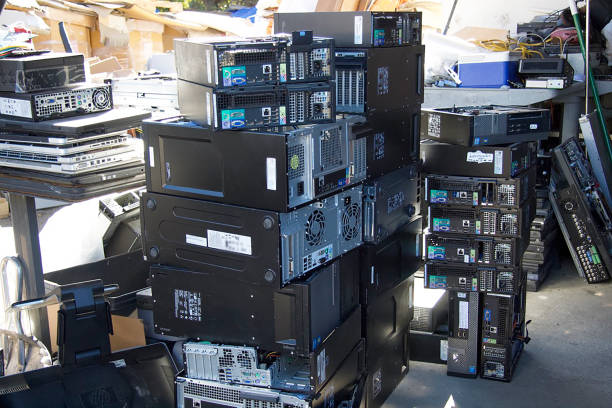
Computer recycling has become an essential practice in today’s technology-driven world. As computers, laptops, and electronic devices continue to advance at a rapid pace, millions of outdated or broken units are discarded every year. Without proper disposal and recycling, these devices can contribute to environmental pollution, resource depletion, and health hazards 電腦回收. Computer recycling offers a sustainable solution, allowing valuable materials to be recovered, hazardous substances to be managed safely, and electronic waste to be minimized.
One of the primary reasons computer recycling is critical is the presence of hazardous materials in electronic devices. Computers contain heavy metals like lead, mercury, cadmium, and arsenic, as well as chemicals in circuit boards, batteries, and screens. If these devices end up in landfills, these substances can leach into the soil and water supply, posing serious risks to human health and the environment. Proper computer recycling ensures that these hazardous materials are safely removed, neutralized, or stored, preventing pollution and contamination.
Beyond environmental safety, computer recycling plays a crucial role in resource conservation. Computers are composed of precious metals such as gold, silver, copper, and rare earth elements, which require significant energy and effort to mine. Recycling old computers allows these materials to be recovered and reused in new electronic devices, reducing the need for mining and conserving natural resources. This process not only lowers the environmental footprint of electronics production but also supports a circular economy where materials are continuously repurposed rather than discarded.
The social impact of computer recycling is also noteworthy. Many organizations that manage electronic waste collaborate with charitable institutions, refurbishing computers for schools, non-profits, and underprivileged communities. By recycling computers responsibly, functional devices can be refurbished and donated, bridging the digital divide and providing access to technology for those who might otherwise be left behind. This creates a positive ripple effect, empowering communities and promoting education and economic opportunities.
Proper computer recycling involves several key steps. First, devices are collected from individuals, businesses, or recycling centers. Data security is a major concern, so recycling facilities often include secure data destruction services to ensure that personal or sensitive information is permanently removed. After data clearance, computers are dismantled, and components such as motherboards, hard drives, screens, and batteries are separated for specialized processing. Metals and plastics are then recovered, cleaned, and prepared for reuse in manufacturing new devices.
Consumer awareness and participation are essential for the success of computer recycling programs. Many people are unaware of the environmental risks associated with improper disposal of electronics or the benefits of recycling. Public education campaigns, take-back programs, and convenient collection points encourage individuals to recycle their old computers responsibly. Businesses can also adopt policies to replace outdated equipment through certified recycling channels, ensuring that their electronic waste is managed sustainably.
Legislation and government initiatives have increasingly supported computer recycling worldwide. Many countries have enacted laws mandating the responsible disposal and recycling of electronic waste, setting standards for recycling facilities, and promoting environmentally friendly manufacturing practices. These regulations help to reduce illegal dumping of electronics, increase recycling rates, and protect both public health and natural resources. Compliance with these laws is critical for businesses and individuals to avoid fines and contribute to broader sustainability goals.
Technological innovation has also enhanced the efficiency and effectiveness of computer recycling. Modern facilities use automated sorting, shredding, and chemical processing to recover a higher percentage of valuable materials. Advanced recycling methods allow even small quantities of metals and rare elements to be captured, reducing waste and making the process more economically viable. Additionally, innovative approaches in design for recycling encourage manufacturers to create devices that are easier to dismantle, repair, and recycle, fostering a more sustainable electronics industry.
Economic benefits of computer recycling should not be overlooked. By recovering precious metals and reusable components, recycling generates valuable raw materials that can be reintroduced into the production cycle. This reduces the cost of sourcing new materials and supports industries involved in electronics manufacturing, refurbishing, and resale. Moreover, recycling creates jobs in collection, processing, and logistics, contributing to local economies while promoting sustainable practices.
Computer recycling also has implications for energy conservation. Manufacturing new electronics from raw materials consumes significant energy, from mining and refining metals to assembling devices. By recycling and reusing components, the energy required to produce new electronics is substantially reduced. This contributes to lower greenhouse gas emissions and helps mitigate climate change, demonstrating the broader environmental significance of recycling initiatives.
Education and research institutions can benefit from computer recycling programs as well. Outdated computers can be donated to schools or laboratories for training purposes, technical education, and experimentation. Students gain hands-on experience with real devices, learning about hardware, software, and electronics in a practical context. Such initiatives promote technological literacy while extending the lifecycle of devices that might otherwise be discarded.
Consumer electronics companies are increasingly recognizing their responsibility in promoting computer recycling. Many have implemented take-back programs, trade-in options, or partnerships with certified recycling facilities to ensure responsible disposal. These programs not only enhance the company’s sustainability profile but also strengthen customer loyalty by providing convenient and environmentally conscious solutions. Corporate social responsibility efforts in computer recycling are becoming a standard expectation for modern consumers.
Public engagement is crucial to the long-term success of computer recycling. Awareness campaigns, community events, and local collection drives encourage individuals to participate actively. Clear information about drop-off locations, acceptable items, and the benefits of recycling helps reduce confusion and increases participation rates. Schools, businesses, and community organizations can play a pivotal role in promoting recycling initiatives, fostering a culture of environmental responsibility.
Looking ahead, computer recycling will continue to play a central role in sustainable technology management. As electronic devices become increasingly integrated into daily life, the volume of discarded computers will grow, making responsible recycling more important than ever. Advances in recycling technology, combined with consumer awareness and government support, will enable higher recovery rates, safer disposal, and greater environmental protection. The practice of computer recycling not only safeguards the planet but also encourages a more thoughtful approach to consumption, waste, and resource management.
In conclusion, computer recycling is a vital practice in an era defined by rapid technological advancement. It addresses environmental concerns, conserves valuable resources, supports social initiatives, and provides economic benefits while ensuring energy efficiency. By adopting responsible recycling habits, participating in take-back programs, and supporting sustainable practices, individuals and organizations can make a meaningful difference. Computer recycling represents more than just waste management—it is a commitment to a cleaner, more sustainable, and technologically empowered future.
